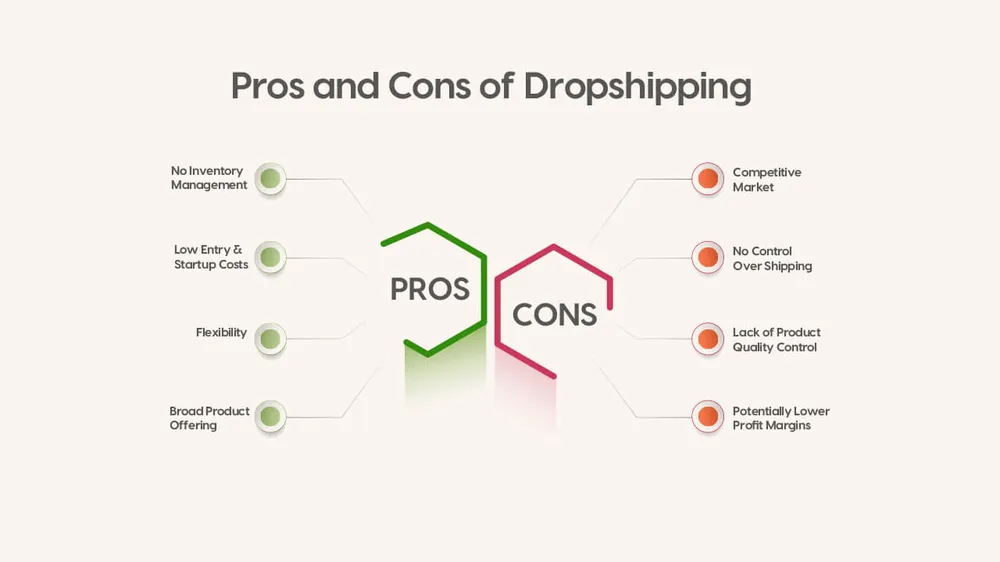
A dropshipping store can still make money, but the easy spread between product cost and selling price has narrowed. dropshipping profit margins now shrink fastest when sellers treat the model like a shortcut instead of a retail business. The old playbook was simple: find a low-cost item, run ads, mark it up, and let a supplier ship it. The pressure is not one single cost. It is the pileup of lookalike offers, faster price checks, ad auctions, refund risk, and shipping expectations. That worked better when fewer people were selling the same products and shoppers had fewer ways to compare prices. Today, a U.S. buyer can see the same lamp, pet brush, phone stand, or travel bag on Amazon, TikTok Shop, Walmart Marketplace, Temu, and three Shopify stores before lunch. For small operators following independent business growth coverage, the lesson is blunt: the model did not die, but the lazy version did. Profit now depends on math, trust, repeat buyers, and tighter control of the customer experience.
Why Easy Entry Turned a Simple Model Into a Crowded Fight
Dropshipping became popular because it removed the fear of unsold inventory. That was the hook. You could test a product without filling a garage with boxes or wiring money for a full container. The catch is that low barriers invite crowds. When every seller can open a store, copy a product page, and run the same short-form video angle, ecommerce competition stops being a side issue. It becomes the business.
The low-cost launch story left out the traffic bill
The first hidden cost is attention. A seller might spend $39 on a store plan, add a few apps, and feel ready. Then the real bill arrives through paid traffic. Meta ads, Google Shopping, influencer posts, and creator commissions all ask the same question: how much can you pay to get one buyer?
That question was easier when a product felt new. A posture corrector, mini printer, or LED strip light once looked fresh in a social feed. After thousands of sellers pushed similar items, the same ad felt tired. People still clicked sometimes, but the click carried less buying intent. You paid more to persuade a colder shopper.
A small U.S. seller running ads for a $29.99 gadget might discover that the product cost is only half the problem. If the item costs $11 from the supplier and shipping adds $4, the gross spread looks useful. But if it takes $13 in ads to make one sale, the margin is already thin before card fees, returns, apps, and support time enter the picture. The store owner feels busy. The bank account tells a colder story.
The non-obvious part is that cheap startup costs can make people reckless. A founder who has $30,000 tied up in inventory studies demand before placing a second order. A dropshipper with no inventory risk may test ten weak products and call it learning. It is learning, but it can become paid confusion.
Copycat stores made the same product feel cheaper
Crowding does not only raise ad costs. It also changes how shoppers judge value. When a customer sees the same portable blender under five brand names, the product loses mystery. The buying question moves from “Do I want this?” to “Who has it cheapest and fastest?”
That shift is deadly for a thin-margin seller. You may have written a cleaner product page. You may have better photos. But if the buyer senses that everyone is selling the same item, your brand has to fight against a market price you do not control. That is why saturation hurts more in commodity niches than in specialized ones.
Take a common product like a collapsible car trash bin. A seller can build a nice page around road trips, parents, and clean interiors. The problem is that the buyer can paste the product name into another marketplace and find lookalikes within seconds. If your only difference is a slightly warmer product description, the shopper has no strong reason to pay more.
The fix is not to pretend the internet forgot how to compare prices. It did not. The fix is to sell into a clearer need, add proof, bundle with intent, or build an offer that feels harder to swap. A “car trash bin” is a commodity. A back-seat cleanup kit for parents with two kids, seat-gap organizers, wipes, and a simple return policy has more room to breathe.
Where Dropshipping Profit Margins Disappear Before You Notice
Most new sellers watch revenue too closely. Revenue is loud. Profit is quieter. A store can show $20,000 in monthly sales and still create stress when every order carries a small leak. The harsh part is that the leaks rarely appear as one huge charge. They arrive as little bites across supplier costs, freight, fees, refunds, discount codes, and support.
Supplier costs are only the first bite
The supplier invoice is the easiest number to see, so sellers treat it like the main cost. That is a mistake. Supplier costs matter, but they are the start of the chain, not the finish line. A product that costs $14 and sells for $39 may look healthy until the seller adds shipping variance, payment fees, packaging limits, platform apps, and customer service time.
U.S. buyers also expect clearer delivery updates than many overseas suppliers provide. If the tracking link sits still for six days, support messages rise. Every “Where is my order?” email has a cost, even when the seller answers it personally. Time is not free because you do not pay yourself yet.
There is another detail people miss. A supplier may offer a low unit price, then charge more for faster shipping, better packaging, or stable stock. The cheapest supplier can become the most expensive partner if orders arrive late, damaged, or inconsistent. Online store profitability often improves when the seller pays a bit more for a partner who creates fewer problems.
A practical example: two suppliers sell the same kitchen drawer organizer. One is $8.20 with slow tracking and uneven box quality. The other is $10.40 with cleaner tracking and fewer damaged shipments. The cheaper option looks better on a spreadsheet until refunds and complaints eat the spread. The higher cost can protect net profit because it protects trust.
Returns, chargebacks, and slow shipping hit twice
Returns hurt once when money leaves. They hurt again when the customer never comes back. That second hit is harder to measure, but it matters more over time. A store that keeps finding one-time buyers through ads is always renting attention. A store that earns repeat buyers owns a small piece of future demand.
Slow shipping creates the same double hit. The seller may not control the warehouse, but the buyer does not care. In the buyer’s mind, the store made the promise. That is why shipping claims need to be honest and plain. The FTC’s Mail, Internet, or Telephone Order Merchandise Rule is worth reading because it explains the duty to have a reasonable basis for shipment promises and to handle delays or refunds properly.
Many dropshipping sellers learn this after a product goes viral. Orders flood in. The supplier falls behind. The seller keeps running ads because the dashboard looks exciting. Two weeks later, tracking delays turn into refund requests, angry comments, and payment processor risk. The best sales week becomes the worst cash week.
Here is the counterintuitive lesson: a slower growth month can be healthier than a viral month. If your supplier, support inbox, and cash reserves cannot handle demand, more orders magnify the weak spot. A careful seller caps ad spend, tests fulfillment under pressure, and protects the customer promise before chasing another spike.
For deeper planning, it helps to map your own numbers beside pricing strategy for small online stores instead of copying a creator’s margin claim from a screenshot. Your product, ad channel, return rate, and delivery window decide the truth.
How Saturated Sellers Can Still Protect the Math
A crowded market does not mean every seller loses. It means weak offers are exposed faster. The stores with staying power stop acting like product hunters and start acting like operators. They care about contribution profit per order, yes, but they also care about trust, list growth, supplier control, and what happens after the first purchase.
A narrower niche can beat a wider product catalog
Many beginners add more products when sales slow. It feels productive. A store that sold pet water bottles last week now sells phone cases, posture straps, kitchen peelers, and camping lights. The hope is that one item will catch. The result is usually a shop with no center of gravity.
A narrower niche often works better because it lets you understand one buyer deeply. A store for apartment dog owners in U.S. cities can speak to leash storage, muddy paws, noise, small-space feeding, and landlord concerns. That is sharper than “pet products.” It also gives you room to build bundles that raise average order value without feeling random.
Ecommerce competition becomes less painful when your offer solves a full situation instead of pushing a single product. A dog paw washer is easy to compare. A rainy-day apartment dog kit with a paw washer, microfiber mat, odor spray, and a plain guide for keeping entryways clean feels more useful. The bundle gives the seller more pricing room and gives the buyer less reason to shop by unit price.
The unexpected truth is that niche focus can make testing faster, not slower. You are not guessing across the whole internet. You are learning one buyer’s objections, language, and habits. Each failed product teaches something useful about the same audience. That knowledge stacks.
Owned traffic changes the math over time
Paid ads are not bad. Depending on them alone is the trap. When every sale begins with a paid click, the store has to win the auction every day. A competitor with better cash flow can bid higher, tolerate lower early profit, and push you out of the feed.
Owned traffic gives you a second path. Email lists, SMS lists, post-purchase flows, search content, and simple brand communities do not remove cost, but they spread it over more orders. A buyer who makes a second purchase after an email campaign is often cheaper to reach than a stranger from a cold ad.
This is where many dropshipping stores fail the maturity test. They spend hours changing button colors and almost no time building retention. A simple welcome offer, a shipping update sequence, a care guide, a reorder reminder, and a win-back email can do more for online store profitability than another product page redesign.
For example, a seller in the home office niche might sell laptop stands through ads. The first order is tight. The second order, maybe a cable tray or desk mat promoted through email, carries better economics because the customer already trusts the store. That does not make the business easy. It makes it less fragile.
A useful next step is to study customer retention ideas for ecommerce brands and adapt them to your product type. The goal is not to copy a large brand. It is to stop treating every customer like a stranger after the package arrives.
What Serious Operators Measure Before They Scale
Once the easy money fades, measurement becomes a survival skill. The sellers who last are not always the ones with the flashiest ads. They are the ones who know when an order is worth taking, when a product should be paused, and when revenue is hiding damage. That sounds less exciting than product research. It is also where real businesses are built.
Contribution profit matters more than store revenue
Top-line sales can flatter a weak store. Contribution profit is harder to fake. It asks what remains after the costs tied to each order: product, shipping, payment processing, ad spend, refunds, and support burden. If that number is thin or negative, scale only makes the problem louder.
A $60 product with $24 in product and shipping costs leaves $36 before other costs. If ads cost $22 per purchase, payment fees take a few dollars, and discounts remove $6, the seller may be left with lunch money. Add one refund and the average slips again. The store may celebrate orders while cash tightens.
This is why serious sellers build a simple daily sheet. They track average order value, gross margin, ad cost per purchase, refund rate, chargebacks, and support tickets. No fancy dashboard is required. A spreadsheet can reveal whether a product deserves more budget or a quiet burial.
The counterintuitive move is to kill a product that is selling. If a product attracts bargain hunters, causes too many questions, or creates shipping complaints, it may drain more focus than it earns. Revenue can be addictive. Profit needs a calmer owner.
Better customer promises can raise trust and reduce waste
When margins shrink, some sellers exaggerate. They promise faster shipping than they can provide. They use dramatic product claims. They hide return friction in small print. That may lift early conversion, but it plants future losses. Payment disputes, bad reviews, and angry comments are expensive forms of debt.
Clear promises can feel less persuasive on the page, yet they often protect the business. If delivery takes 7 to 12 business days, say so. If a product is best for light use, do not imply commercial-grade performance. If the item ships in separate packages, explain it before the customer asks.
A U.S. shopper may forgive a fair wait when the store is honest. What they resent is surprise. That is the gap between a manageable support inbox and a flood of complaint emails. Truthful ads, accurate photos, and plain shipping language are not boring legal chores. They are margin protection.
A real example shows up in apparel. A dropshipped hoodie with vague sizing can produce returns, angry reviews, and chargebacks. A size chart with model height, fabric notes, shrinkage guidance, and a clear exchange policy may reduce impulse buys, but it also filters bad-fit orders. Fewer bad orders can beat more weak orders.
The mature path is less glamorous than the old sales pitch. Build an offer with a reason to exist. Know your numbers. Choose suppliers who protect the promise. Then use ads to amplify something sound rather than rescue something shaky.
Conclusion
The market has grown up, and sellers have to grow with it. The easy spread is gone in many broad product categories because shoppers compare faster, ads cost more, and copycat stores appear almost overnight. That does not make the model useless. It makes discipline worth more than hype.
The strongest operators will treat dropshipping profit margins as an operating signal, not a motivational quote. They will test smaller, measure tighter, and build offers that reduce price comparison. They will also stop hiding from the parts of retail that never went away: delivery promises, customer trust, clear math, and post-purchase care.
For U.S. sellers, the next stage belongs to people who can combine lean inventory risk with a real brand mind-set. Pick a buyer you understand. Solve a situation, not a random product itch. Protect cash before chasing scale. If the numbers do not work on a calm Tuesday, they will not save you during a viral weekend. Build the kind of store that can survive attention, not one that depends on luck.
Frequently Asked Questions
Is dropshipping still worth starting in the USA?
Yes, but only with a sharper plan than the old product-flipping model. New sellers need clear margins, honest shipping, a focused niche, and a path to repeat buyers. Broad commodity stores are harder because customers can compare prices across marketplaces within seconds.
What is a healthy margin for a dropshipping store?
A healthy margin depends on product type, ad cost, refunds, and repeat purchase rate. Many sellers aim for enough contribution profit to cover overhead and still leave cash after support and returns. Gross margin alone is not enough because ads can erase it.
Why do so many dropshipping stores fail after early sales?
Early sales can hide weak math. A store may get orders but lose money after ad spend, shipping upgrades, refunds, app fees, and chargebacks. Some sellers also scale before confirming that suppliers can handle volume without delays or quality problems.
How can I compete when everyone sells the same product?
Avoid competing on the product alone. Build a clearer offer around a specific buyer, stronger proof, better bundles, useful guides, and honest service. A common item can still sell when the full buying experience feels more trustworthy and less generic.
Are paid ads still useful for dropshipping?
Yes, but paid ads should not be the only engine. They work best when the product has a strong offer, clean economics, and a follow-up system for repeat sales. Depending on cold ads forever keeps the store exposed to rising auction costs.
What costs do beginners forget to include?
Beginners often miss payment processing, refunds, chargebacks, app subscriptions, shipping upgrades, replacement orders, creator fees, discount codes, and support time. They also forget that delayed packages can create extra labor even when the supplier caused the issue.
Should I use U.S. suppliers for better margins?
Sometimes. U.S. suppliers may cost more per unit, but they can reduce shipping complaints, returns, and support pressure. The better choice depends on total profit after all costs, not the cheapest product price on the supplier sheet.
What should I measure before scaling a winning product?
Track average order value, product cost, shipping cost, ad cost per purchase, payment fees, refund rate, chargebacks, support tickets, and repeat purchase rate. A product is not truly winning until it leaves cash after the full order cycle.